Skip to main content
Microsoft
HAX Toolkit
HAX Toolkit
HAX Toolkit
Home
Design Library
Learn the tools
Guidelines
Design Library
Design Patterns
Workbook
Playbook
About
Share ideas
More
All Microsoft
Global
Microsoft Security
Azure
Dynamics 365
Microsoft 365
Microsoft Teams
Windows 365
Tech & innovation
Tech & innovation
Microsoft AI
Azure Space
Mixed reality
Microsoft HoloLens
Microsoft Viva
Quantum computing
Sustainability
Industries
Industries
Education
Automotive
Financial services
Government
Healthcare
Manufacturing
Retail
Partners
Partners
Find a partner
Become a partner
Partner Network
Microsoft Marketplace
Marketplace Rewards
Software development companies
Resources
Resources
Blog
Microsoft Advertising
Developer Center
Documentation
Events
Licensing
Microsoft Learn
Microsoft Research
View Sitemap
Search
Search or ask a question
No results
Cancel
0
Cart
0 items in shopping cart
Sign in
HAX Design Library
Interactive collection of the 18 Guidelines for Human-AI Interaction, with design patterns for applying them and examples.
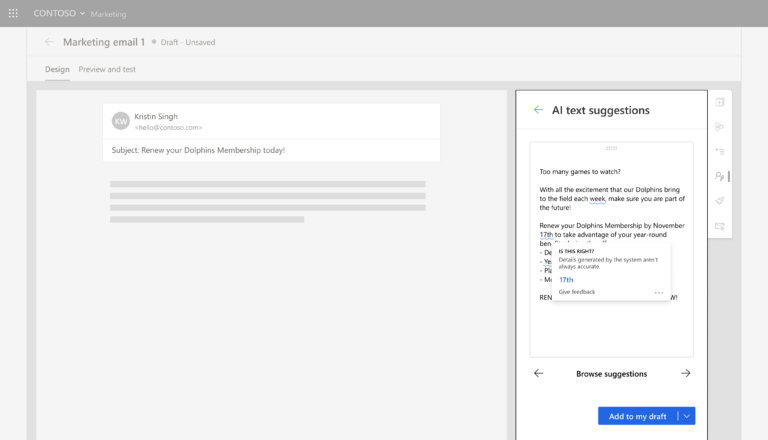
Guideline 2 > Pattern 2C > Example
Contoso | 2C: Report system performance information
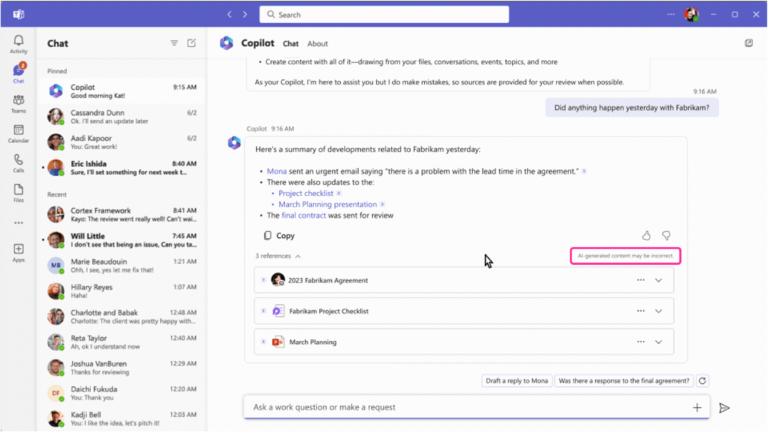
Guideline 2 > Pattern 2D > Example
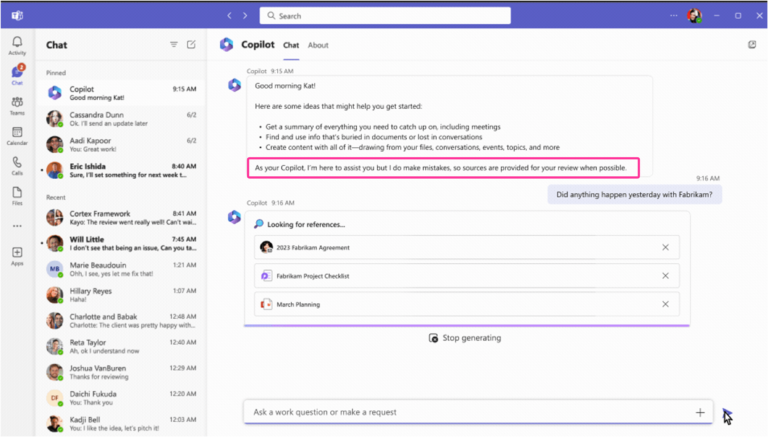
Business Chat | 2D: Provide low performance alerts
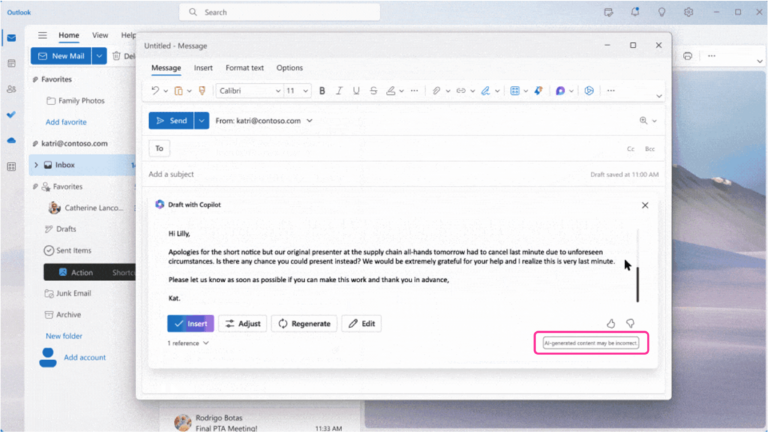
Guideline 2 > Pattern 2D > Example
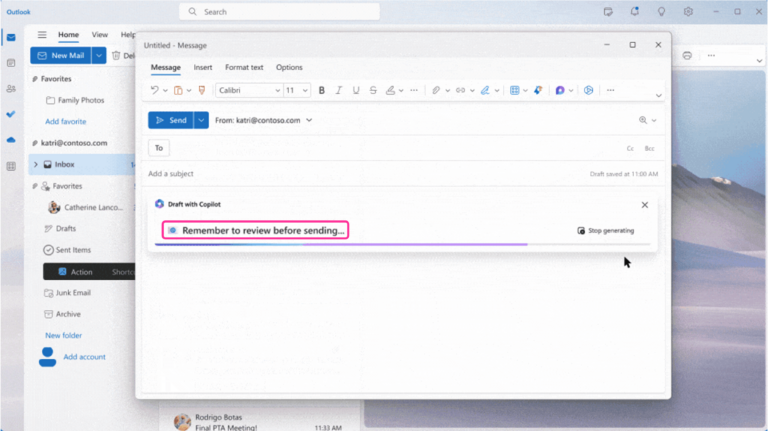
Copilot in Outlook | 2D: Provide low performance alerts
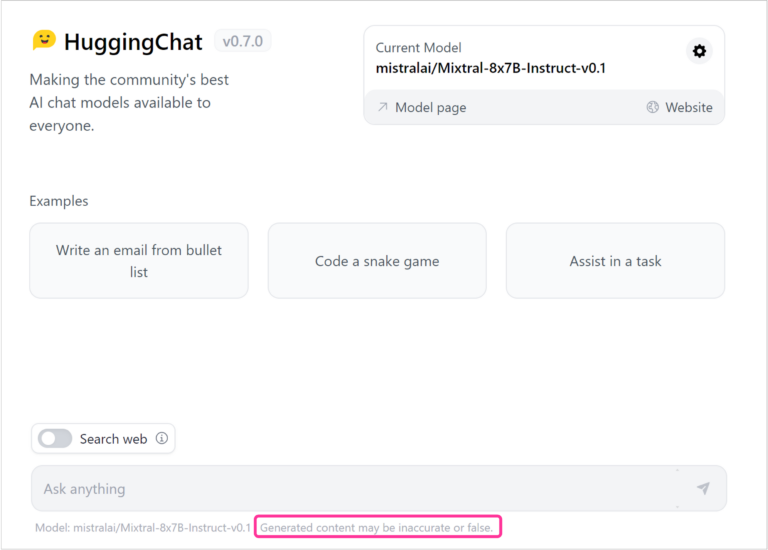
Guideline 2 > Example
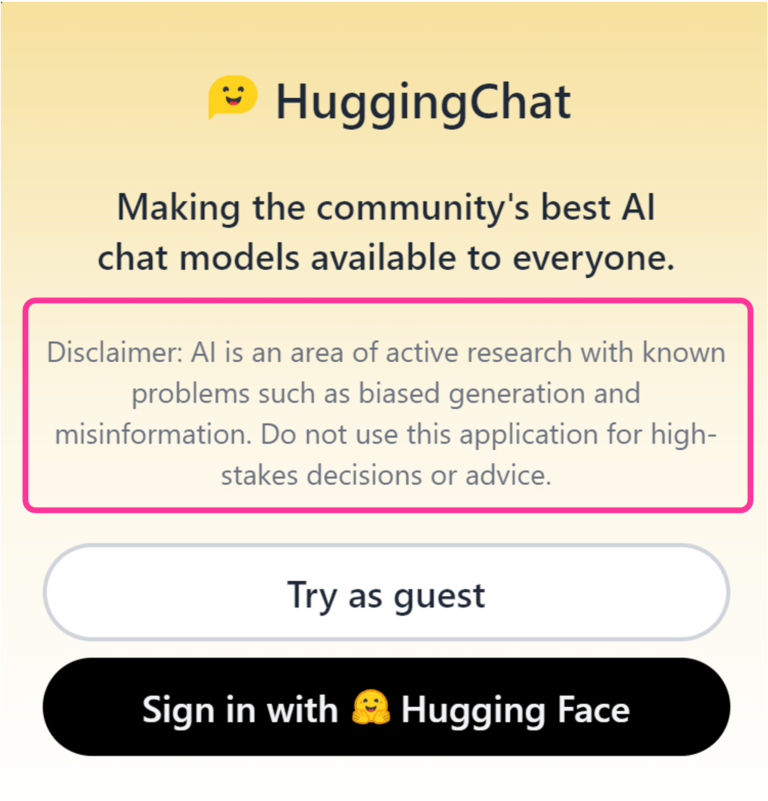
Hugging Chat | G2: Make clear how well a system can do what it can do
Guideline 2 > Example
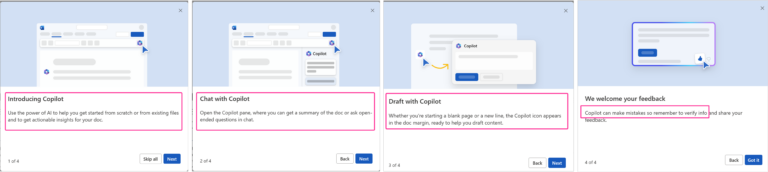
Copilot in Word | G2: Make clear how well the system can do what it can do
Guideline 2 > Example
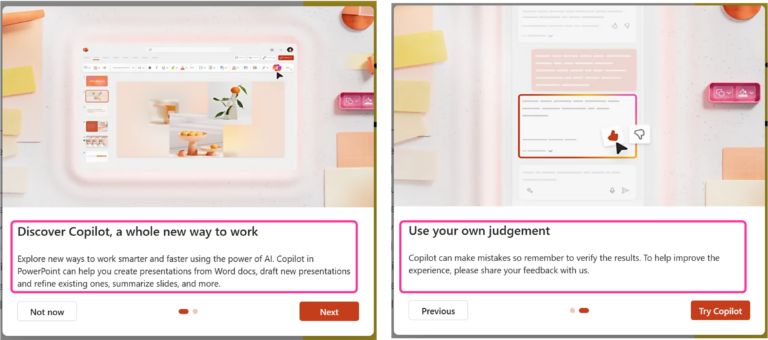
Copilot in PowerPoint | G2: Make clear how well the system can do what it can do
Guideline 2 > Example
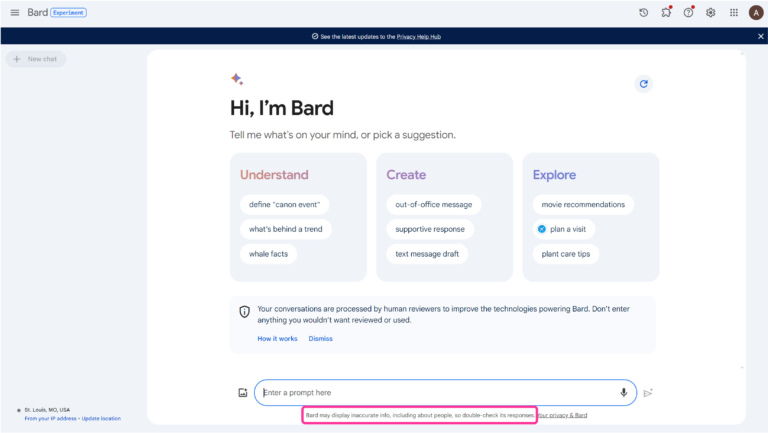
Google Bard | G2: Make clear how well a system can do what it can do
Guideline 2 > Example
Hugging Chat | G2: Make clear how well a system can do what it can do
Guideline 2 > Example
Business Chat | G2: Make clear how well the system can do what it can do
Guideline 2 > Example
Copilot in Outlook | G2: Make clear how well the system can do what it can do
Guideline 7 > Example
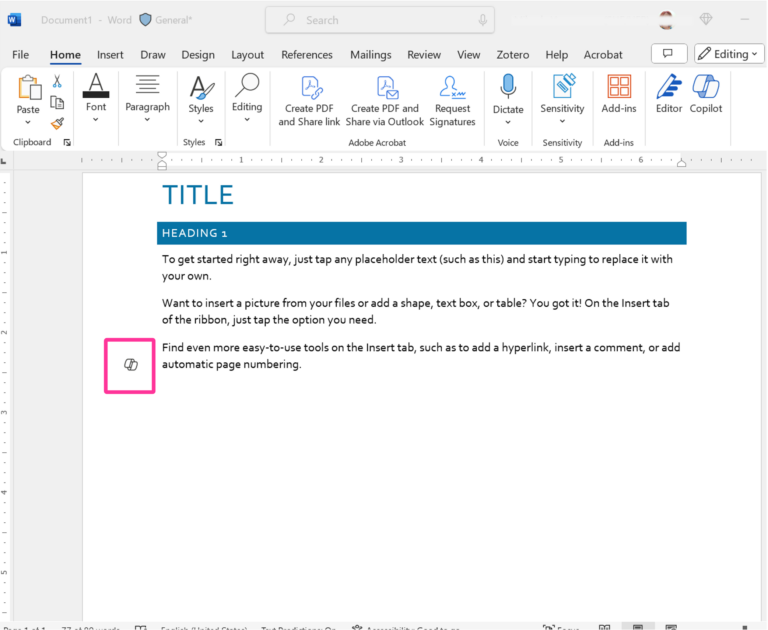
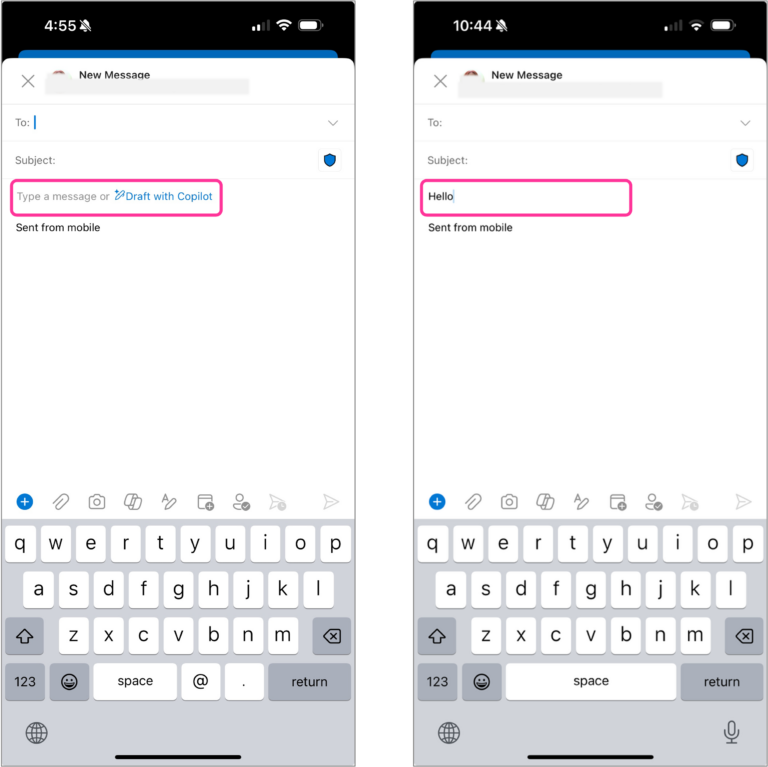
Copilot in Word | G7: Support efficient invocation
Guideline 7 > Example
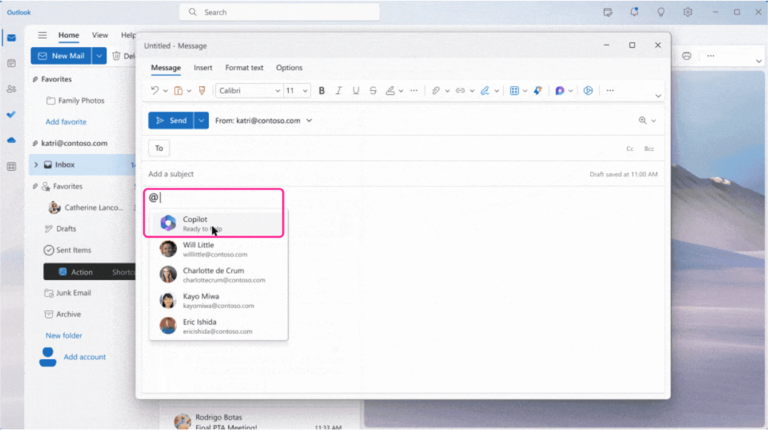
Copilot in Outlook | G7: Support efficient invocation
Guideline 8 > Example
Copilot in Outlook | G8: Support efficient dismissal
Guideline 9 > Pattern 9B > Example
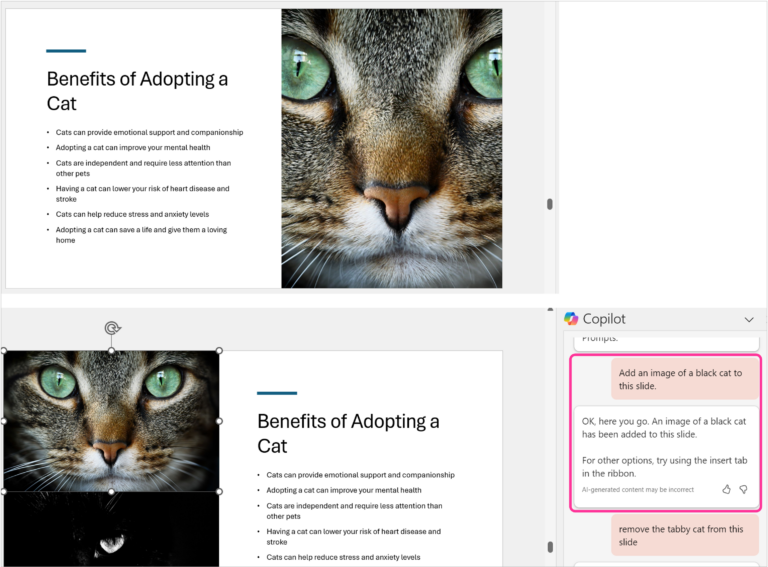
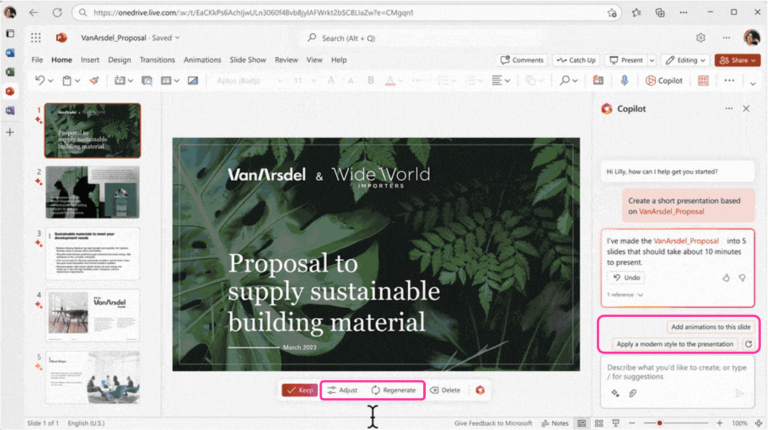
Copilot in PowerPoint | 9B: Rich and detailed edits
Guideline 9 > Pattern 9B > Example
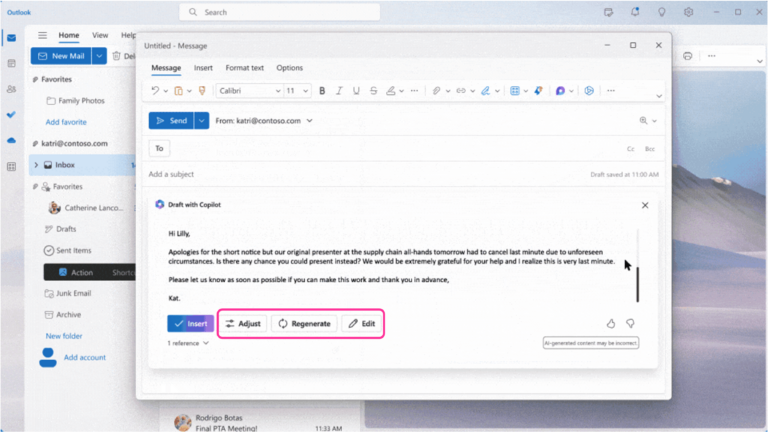
Copilot in Outlook | 9B: Rich and detailed edits
Guideline 9 > Pattern 9B > Example
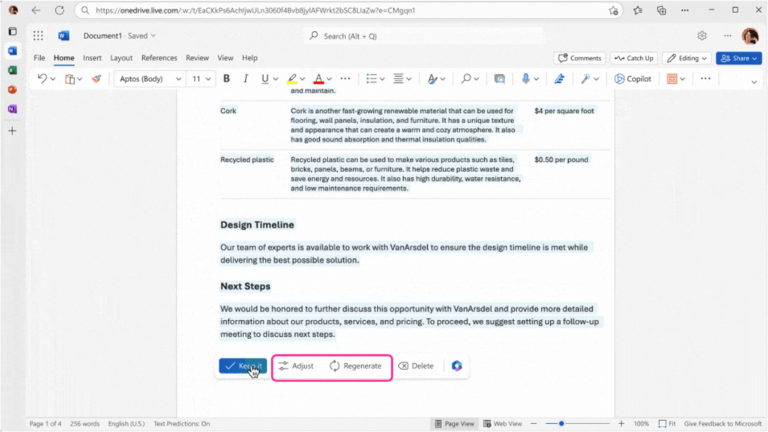
Copilot in Word | 9B: Rich and detailed edits
Guideline 9 > Pattern 9B > Example
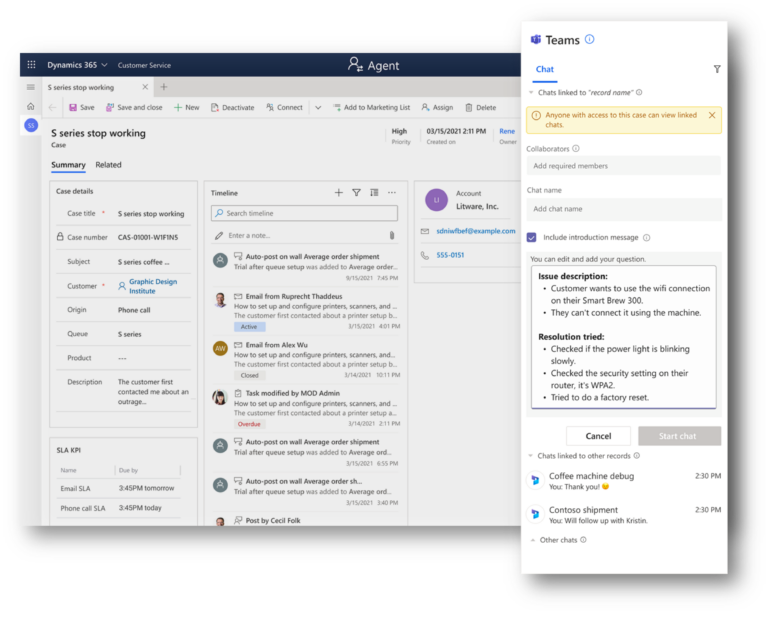
D365 Customer Service | 9B: Rich and detailed edits
Guideline 9 > Example
Copilot in PowerPoint | G9: Support efficient correction
Guideline 10 > Pattern 10A > Example
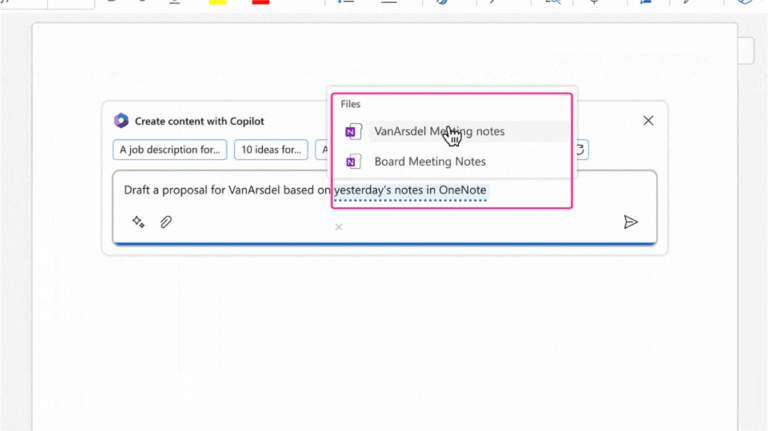
Copilot in Word | 10A: Disambiguate before acting
Guideline 10 > Example
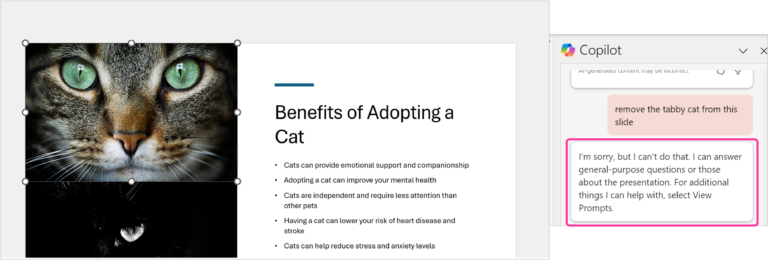
Copilot in PowerPoint | G10: Scope services when in doubt
Guideline 11 > Pattern 11A > Example
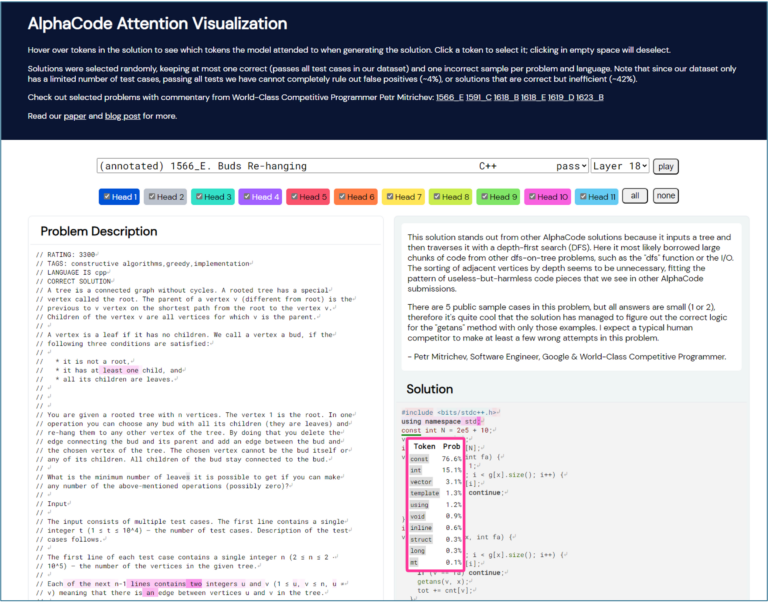
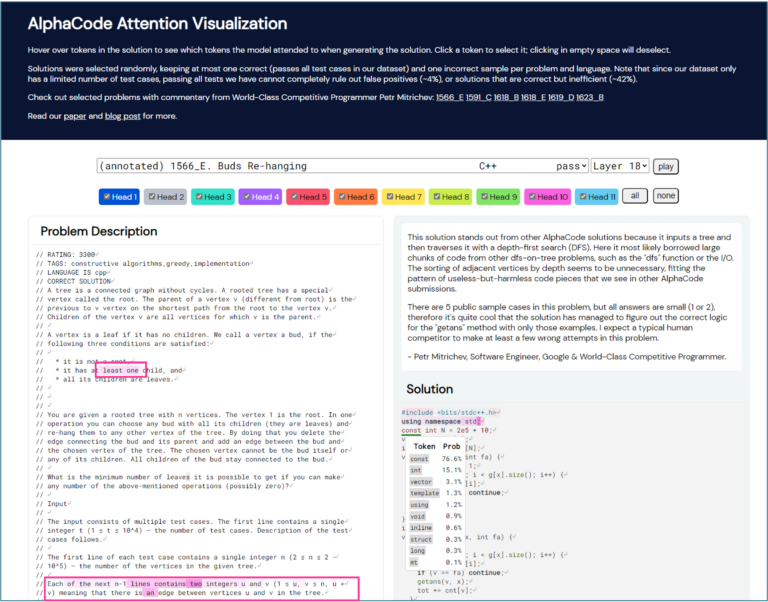
AlphaCode | 11A: Local explanations
Guideline 11 > Pattern 11A > Example
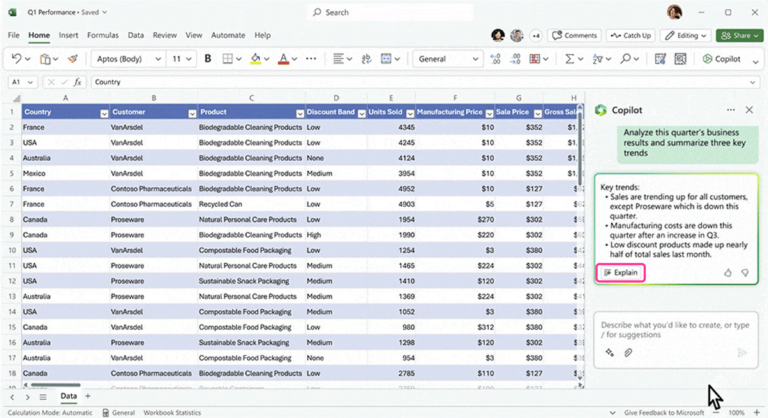
Copilot in Excel | 11A: Local explanations
Guideline 11 > Pattern 11A > Example
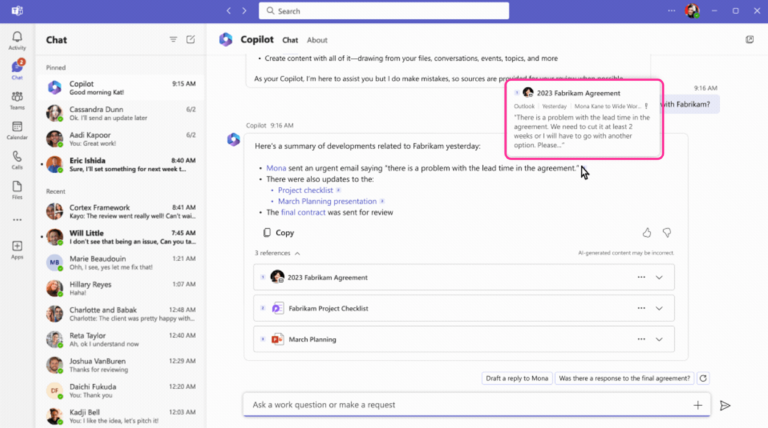
Business Chat | 11A: Local explanations
Guideline 11 > Pattern 11B > Example
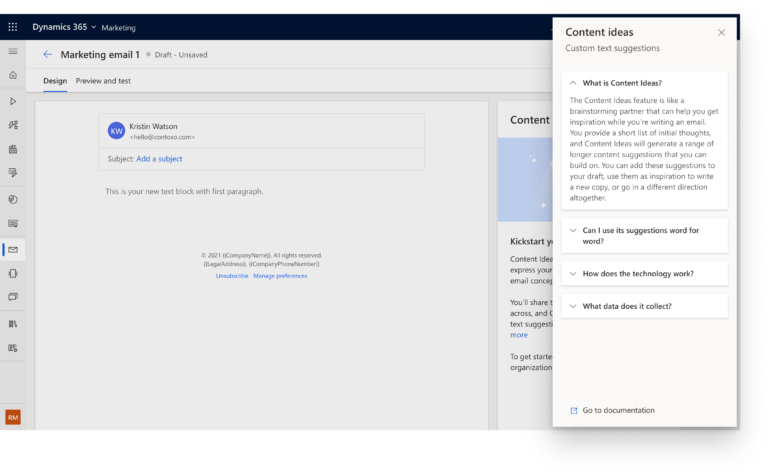
D365 Marketing | 11B: Global explanations
Guideline 11 > Pattern 11D > Example
AlphaCode | 11D: Map system input attributes to system outputs
Guideline 11 > Pattern 11G > Example
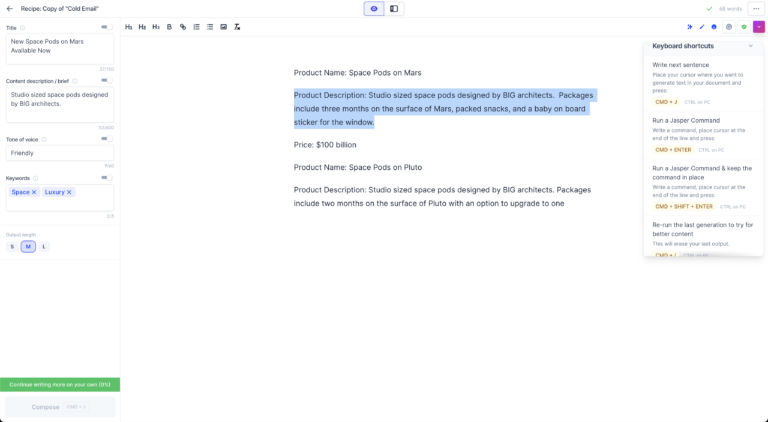
Jasper.ai | 11G: “What if?” explanations