

Enabling Data-driven Air Pollution Policy Making
Inferring site-specific factors of pollution for effective data-driven policy making
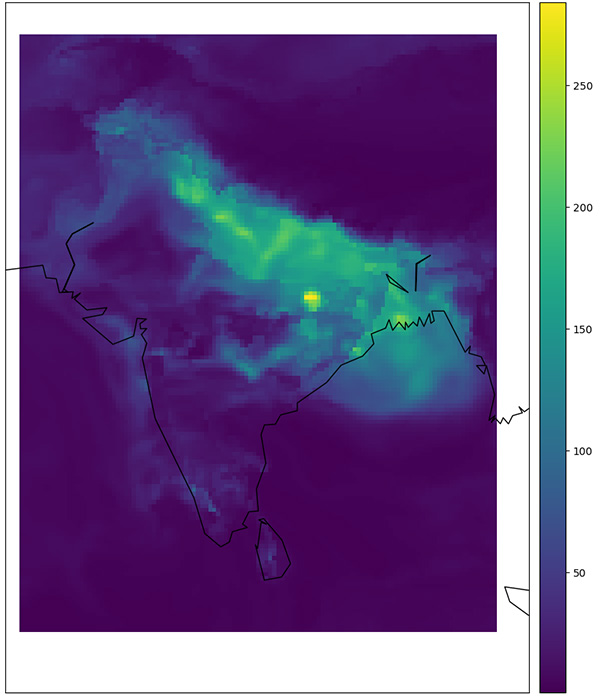
Globally, according to various studies air pollution is responsible for 4-10 million deaths every year. Unfortunately, India registers a large portion of these deaths, approximately over 2 million deaths – a number greater than all the deaths due to Covid-19, Tuberculosis, Malaria, and AIDS combined. There are number of studies that have shown direct causality of air pollution with cardiovascular, cerebrovascular, pre/neo-natal diseases and pediatric health. Air pollution poses a significant health risk to humans. There have been a lot of public policy measures taken to address pollution in the country but for it to be effective we need a nuanced data-driven approach to understand and predict air pollution.
Air pollution consists of various kinds and sizes of particulate matter, out of which PM2.5 –particulate matter that is 2.5 micrometers and smaller – contributes to over 80% of the deaths. The major constituents of PM2.5 are sea salt, dust, black carbon, sulphates, nitrates, organic carbon, and secondary organic aerosols, with latter five having grave impact on people’s health. The major sources of PM2.5 are biomass burning (crop burning and forest fires), thermal power plants, steel and other such industries, and urban centers. Beyond this there are also factors such as transborder winds and meteorological phenomena such as temperature inversions that can impact pollution. It is critical to understand these various factors to understand and predict air pollution.
We have been working on developing causal models using Bayesian formulations to infer PM2.5 pollutions at specific locations using available open sourced meteorological and pollution datasets. The model accounts for the various geographical, chemical, economic, and population level activities to identify the root causes of air pollution and predict possible pollution patterns. The aim of the project is to enable model and data-driven decision to formulate more effective policy design to address air pollution. The model also allows for counterfactual reasoning to verify the effectiveness of policy decisions. The ability to provide casual evidence also can help declutter the politics and lay bare the fallacies in policies and illustrate the required steps both long and short term to reduce air pollution.
Through this project we hope to provide an effective tool to both policy makers and the general public to address air pollution and work toward cleaner air and healthier citizens.