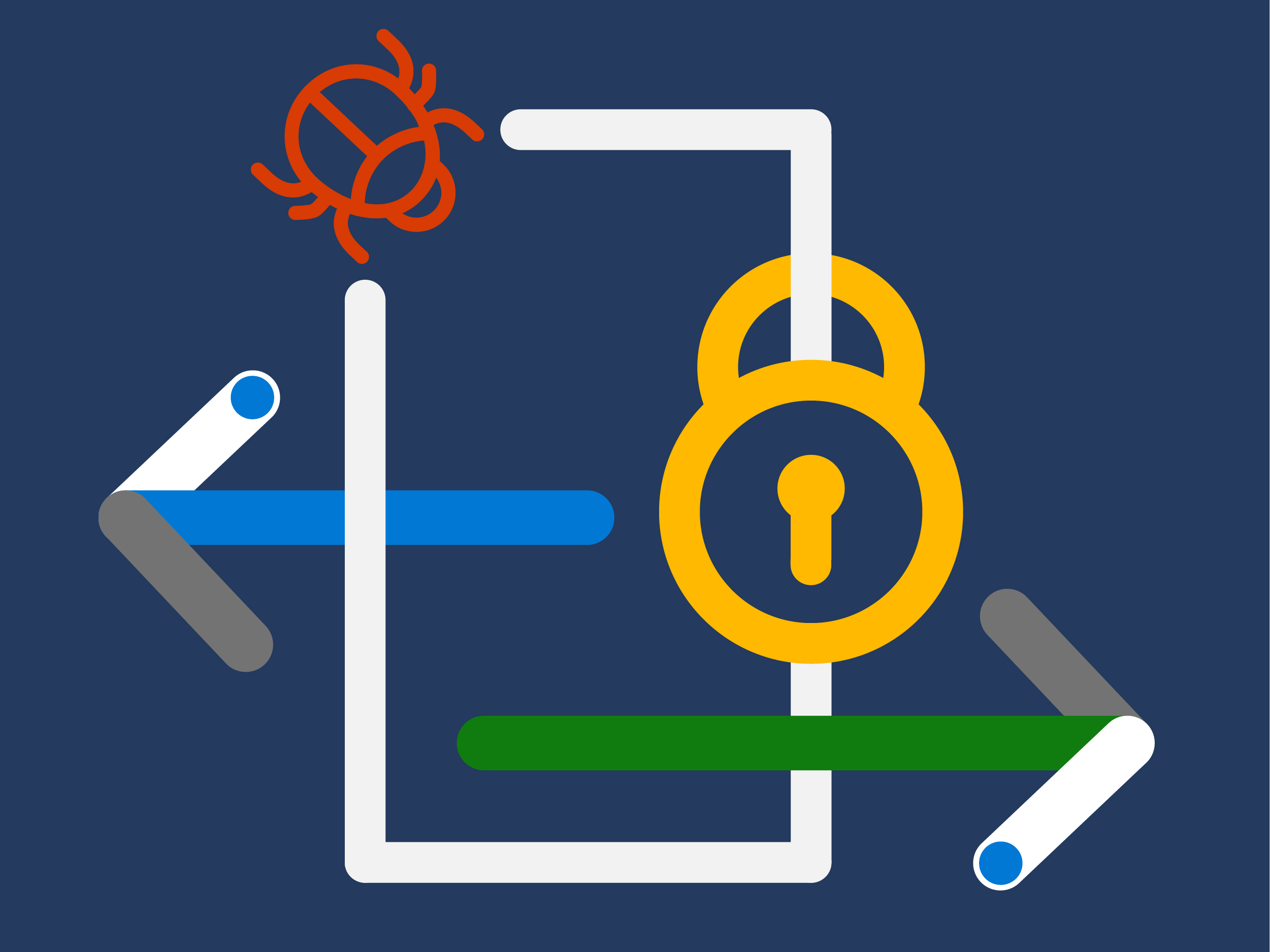


As security incidents and events keep making headlines, Microsoft is committed to helping our customers and the rest of the security community to make sense of the risks and offer recommendations. Old and new malware continues to get propagated through massive botnets, attackers are increasing focus on easier attack methods such as phishing, and ransomware attacks have evolved to be more rapid and destructive. The latest Microsoft Security Intelligence Report, which is now available for download at newed.any0.dpdns.org/sir, dives deep into each of these key themes and offers insight into additional threat intelligence.
The report, which is based on Microsoft’s analysis of on-premises systems and cloud services, focuses on threat trends since February 2017. Anonymous data sources for the report come from consumer and commercial on-premises systems and cloud services that Microsoft operates on a global scale, such as Windows, Bing, Office 365, and Azure. At Microsoft, we have massive depth and breadth of intelligence. Across these services, each month we scan 400 billion email messages for phishing and malware, process 450 billion authentications, execute more than 18 billion web page scans, and scan more than 1.2 billion devices for threats.
Here are three key themes from the report:
Botnets continue to impact millions of computers globally.
In November 2017, as part of a public/private global partnership, Microsoft disrupted the command-and-control infrastructure of one of the largest malware operations in the world – the Gamarue botnet. Microsoft analyzed over 44,000 malware samples, which uncovered the botnet’s sprawling infrastructure, and discovered that Gamarue distributed over 80 different malware families. The top three malware classes distributed by the Gamarue botnet were ransomware, trojans, and backdoors. The disruption resulted in a 30% drop in infected devices in just a three month-period.
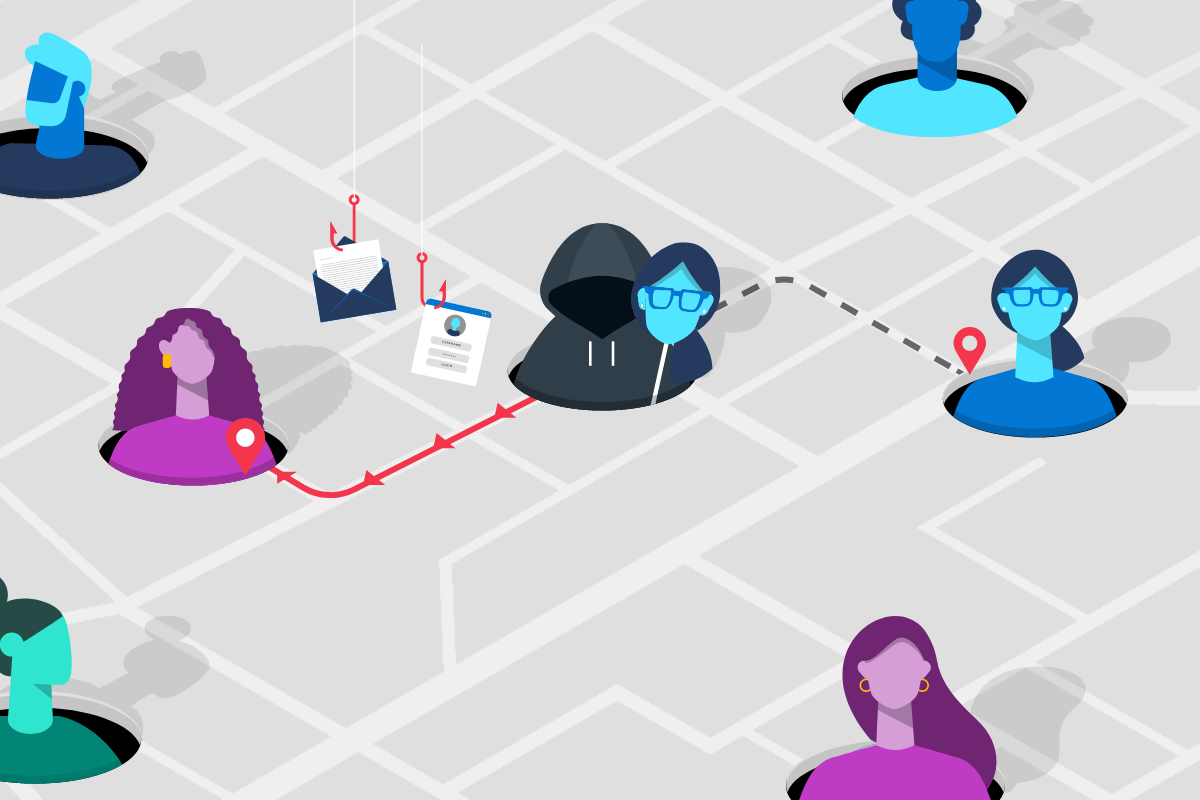
Easy marks methods like phishing are commonly used by cybercriminals.
As software vendors incorporate stronger security measures into their products, it is becoming more expensive for hackers to successfully penetrate software. By contrast, it is easier and less costly to trick a user into clicking a malicious link or opening a phishing email. In 2017 we saw “low-hanging fruit” methods being used such as phishing — to trick users into handing over credentials and other sensitive information. In fact, phishing was the top threat vector for Office 365-based threats during the second half of 2017. Other low-hanging fruit for attackers are poorly secured cloud apps. In our research, we found that 79% of SaaS storage apps and 86% of SaaS collaboration apps do not encrypt data both at rest and in transit.
Ransomware remains a force to be reckoned with.
Money is ultimately what drives cybercriminals, so extorting cryptocurrency and other payments by threatening potential victims with the loss of their data remains an attractive strategy. During 2017, three global ransomware outbreaks—WannaCrypt, Petya/NotPetya, and BadRabbit—affected corporate networks and impacted hospitals, transportation, and traffic systems. We found that the region with the greatest number of ransomware encounters was Asia. The ransomware attacks observed last year were very destructive and moved at an incredibly rapid pace. Because of the automated propagation techniques, they infected computers faster than any human could respond and they left most victims without access to their files indefinitely.
A key insight in the report is that these threats are interrelated. For example, ransomware was one of the most prominent types of malware distributed by the Gamarue botnet. Another example is that cybercriminals are attempting to take advantage of legitimate platform features to attach a ‘weaponized’ document (for example, a Microsoft Office document) containing ransomware in a phishing email.
What can be done in the enterprise? Following standard information security practices, such as keeping software and security solutions up-to-date, is important. The proliferation of low-cost attack methods such as social engineering is a reminder of the importance of security awareness training for employees to keep them apprised of latest phishing techniques. The report covers more detailed recommendations.
Research and engineering teams from Windows Defender, Office, Azure, Bing, the Microsoft Digital Crimes Unit, and others generously contributed their findings and insights to this Security Intelligence Report. You can download it today at newed.any0.dpdns.org/sir.
Finally, tune into our webcast on April 10, 2018 at 10am PDT: Microsoft Security Intelligence Report Volume 23—Breaking Botnets and Wrestling Ransomware, where we’ll do a deep dive on the insights from the Security Intelligence Report and discuss recommendations on how to protect your organization. Register today.
For our perspectives on additional trending threats and topics, check out the Microsoft Secure Blog, and the Microsoft Security site to learn about Microsoft’s enterprise cybersecurity solutions.